
Protein in urine is a medical finding that often raises concern because urine normally contains very little to no protein. When protein is detected, it can be a sign that the kidneys are not filtering blood properly or that there is an underlying health condition affecting the urinary system.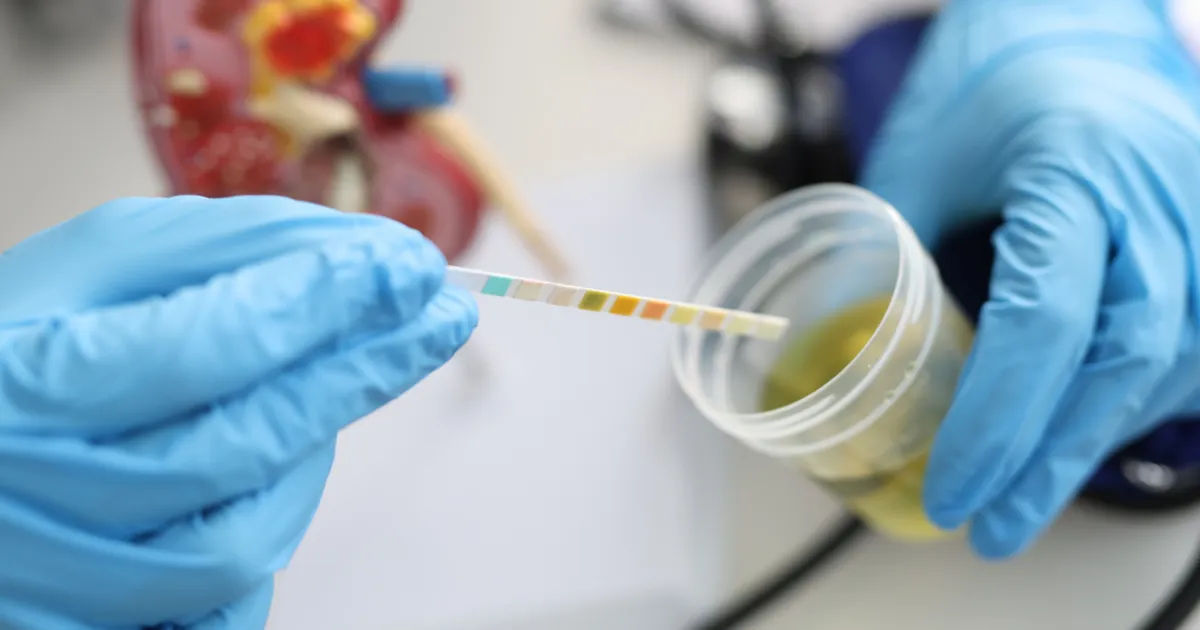
In many online discussions, people also come across unrelated search phrases like “how long does pee last for a drug test”, but the focus of a urine protein test is completely different—it is about kidney health, not drug detection or timing of samples.Understanding why protein appears in urine is important for students, patients, and anyone curious about basic health screening.
In some cases, protein in urine may be temporary and harmless, while in other situations it may indicate more serious issues such as kidney disease, infection, or high blood pressure. Doctors often use urine tests as an early warning system because kidneys play a vital role in filtering waste and maintaining balance in the body.
Throughout this guide, we will explore the causes, symptoms, diagnosis, and treatment of protein in urine in a simple and clear way. You may notice the phrase “how long does pee last for a drug test” appearing throughout this article for context consistency, but remember that urine protein testing is medically unrelated to drug testing concerns.By the end, you will have a clear understanding of what protein in urine means, when to worry, and how it can be managed effectively.
Urine Protein Tests
A urine protein test measures the amount of protein present in a urine sample. Normally, proteins such as albumin stay in the bloodstream because the kidneys filter waste while keeping essential nutrients in the blood.
When kidneys are healthy, only a very small amount of protein enters urine. However, if the kidney’s filtering units (glomeruli) are damaged or stressed, protein can leak into urine.
This is why doctors often request urine tests during routine checkups or when symptoms suggest kidney issues.
Many students researching health topics may also encounter phrases like how long does pee last for a drug test, but it is important to understand that protein testing is focused on kidney function rather than sample stability or testing procedures.
There are different types of urine protein tests:
- Dipstick test (quick screening)
- 24-hour urine test (more detailed measurement)
- Protein-to-creatinine ratio test
Each method helps doctors determine whether protein levels are normal or elevated.
In most healthy individuals, urine protein levels are extremely low. If higher levels are found, further investigation is usually needed to identify the cause.
The keyword how long does pee last for a drug test is often searched online in unrelated contexts, but in medical diagnosis, the main concern is what the urine contains, not how long it lasts.
Why Protein Appears in Urine
Protein appears in urine when the kidneys are unable to filter blood properly. This can happen for several reasons, ranging from temporary conditions to chronic diseases.
One common cause is physical stress. Intense exercise, fever, or dehydration can temporarily increase protein levels in urine. In such cases, the condition usually resolves on its own.
Another cause is kidney damage. When the filtering units of the kidneys are affected, protein leaks into urine more easily. Conditions like glomerulonephritis or diabetic kidney disease are examples.
High blood pressure can also damage kidney blood vessels over time, leading to protein leakage.
It is important to remember that protein in urine is not a disease itself but a sign of an underlying issue.
People often confuse unrelated topics such as how long does pee last for a drug test, but the presence of protein has nothing to do with drug testing timelines or procedures.
Other possible causes include:
- Urinary tract infections
- Pregnancy-related changes
- Certain medications
- Chronic illnesses like diabetes
When protein is detected repeatedly, doctors usually investigate further to find the root cause.
Common Causes of Protein in Urine
There are several medical conditions that can lead to protein appearing in urine. Understanding these helps in early detection and treatment.
Kidney-Related Conditions
Kidney diseases are the most significant cause. When kidney filters are damaged, they allow protein to pass into urine. Conditions include:
- Chronic kidney disease
- Nephrotic syndrome
- Glomerulonephritis
These conditions require medical attention and long-term monitoring.
Diabetes and High Blood Pressure
Diabetes is one of the leading causes of kidney damage worldwide. High blood sugar levels can harm kidney filtering units over time.
Similarly, high blood pressure can strain blood vessels in the kidneys, leading to leakage of protein.
Temporary Causes
Sometimes protein appears temporarily due to:
- Fever
- Heavy exercise
- Stress
- Dehydration
In these cases, the condition often resolves without treatment.
It is important not to confuse these medical conditions with unrelated searches like how long does pee last for a drug test, which is more commonly associated with screening logistics rather than kidney health.
Pregnancy
Pregnant women may also experience protein in urine, which can sometimes indicate preeclampsia, a serious condition that requires monitoring.
Symptoms Associated with Protein in Urine
In many cases, protein in urine does not cause noticeable symptoms in early stages. This is why routine testing is important.
However, when protein loss becomes significant, symptoms may appear such as:
- Swelling in hands, feet, or face
- Foamy or frothy urine
- Fatigue
- Frequent urination
- Loss of appetite
These symptoms suggest that kidney function may be affected.
Doctors often advise follow-up testing when protein is detected, especially if it persists over time.
Even though people may search for unrelated terms like how long does pee last for a drug test, the key concern here is body health, not urine handling or timing.
Early detection helps prevent complications and allows for better treatment outcomes.
How Protein in Urine is Diagnosed
Diagnosis usually begins with a simple urine test. If protein is detected, doctors may recommend additional tests.
Urine Dipstick Test
This is a quick test that uses a chemically treated strip to detect protein levels.
24-Hour Urine Test
This test measures the total amount of protein excreted in urine over a full day. It provides more accurate results.
Blood Tests
Blood tests help evaluate kidney function by measuring creatinine and urea levels.
Imaging Tests
Ultrasound or CT scans may be used to check kidney structure.
During the diagnostic process, patients sometimes come across search terms like how long does pee last for a drug test, but medical testing focuses on biological markers rather than storage or duration.
Proper diagnosis helps determine whether the condition is temporary or chronic.
Treatment Options for Protein in Urine
Treatment depends on the underlying cause.
Lifestyle Changes
For mild cases, doctors may recommend:
- Drinking more water
- Reducing salt intake
- Regular exercise
- Maintaining healthy weight
Medications
If kidney disease, diabetes, or high blood pressure is involved, medications may include:
- Blood pressure control drugs
- Diabetes management medications
- Kidney-protective medicines
Treating Underlying Conditions
The most important step is managing the root cause. For example, controlling blood sugar can significantly reduce protein leakage.
It is important to stay focused on medical guidance rather than unrelated online queries such as how long does pee last for a drug test, which does not affect treatment decisions.
Prevention of Protein in Urine
Preventing protein in urine mainly involves protecting kidney health.
Healthy Diet
A balanced diet low in salt and processed foods helps reduce kidney stress.
Regular Exercise
Physical activity improves blood circulation and supports kidney function.
Managing Chronic Conditions
Keeping diabetes and blood pressure under control is essential.
Routine Checkups
Regular urine tests help detect problems early.
Even though online searches like how long does pee last for a drug test are common, prevention of protein in urine is purely related to kidney health and lifestyle management.
When to See a Doctor
You should see a doctor if:
- Protein is repeatedly found in urine tests
- You notice swelling in body parts
- Urine appears foamy
- You have diabetes or high blood pressure
Early consultation helps prevent complications.
Doctors may perform multiple tests to confirm the cause and recommend appropriate treatment.
People often get distracted by unrelated queries like how long does pee last for a drug test, but medical attention should focus on symptoms and test results.
Conclusion
Protein found in urine is an important medical sign that should not be ignored. While it may sometimes be temporary and harmless, it can also indicate underlying kidney disease or other health conditions. Understanding the causes, symptoms, and diagnostic methods helps individuals take timely action and protect their kidney health.
Although terms like how long does pee last for a drug test appear frequently in online searches, they are unrelated to protein urine testing and should not be confused with medical evaluation of kidney function.
Maintaining a healthy lifestyle, managing chronic conditions, and going for regular checkups are the best ways to prevent complications. Early detection plays a key role in ensuring long-term kidney health and overall well-being.