
Garlic is one of the most important ingredients in Mediterranean and Middle Eastern cooking, especially when preparing arabic appetizers. From creamy dips to fresh salads and crispy fried bites, garlic adds depth, aroma, and a bold kick that defines many traditional flavors.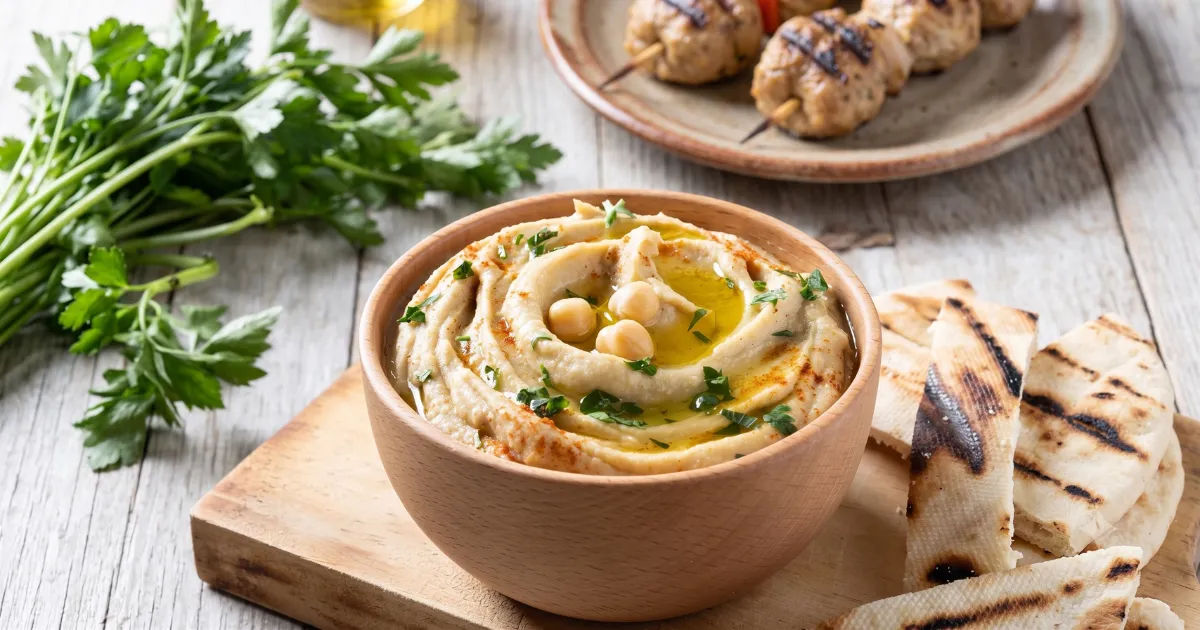
In fact, when people explore arabic appetizers, they often notice that garlic appears again and again in sauces, dressings, and mezze plates.In many households across the Arab world, garlic is not just an ingredient—it is a foundation of taste. Whether mashed into a paste, blended into yogurt, or crushed into olive oil, it transforms simple ingredients into rich, memorable dishes.
The beauty of arabic appetizers lies in how this single ingredient can be used in so many different ways without overpowering other flavors.This guide explores the most popular appetizers that rely on garlic, why it is so essential, and how it shapes the identity of Middle Eastern cuisine. You will also learn how garlic is used in dips, fried snacks, salads, and sauces that are commonly served on mezze platters.
Understanding Garlic in Arabic Cuisine
Garlic has been used in Middle Eastern cooking for thousands of years. In arabic appetizers, it is valued for both flavor and preservation qualities. Before refrigeration existed, garlic helped enhance freshness and extend the life of foods.
In modern kitchens, garlic is used in different forms:
- Raw garlic for strong, sharp flavor
- Roasted garlic for sweetness and depth
- Crushed garlic for smooth sauces
- Garlic paste for quick mixing
Many arabic appetizers depend on garlic to balance ingredients like lemon juice, olive oil, tahini, and yogurt. Without it, many dishes would taste flat or incomplete.
Why Garlic is Important in Arabic Appetizers
Garlic is more than a seasoning—it is a signature element in many arabic appetizers. Its importance comes from several factors:
First, garlic enhances flavor instantly. A small amount can transform a simple dip into something rich and bold. Second, it pairs perfectly with staple ingredients like chickpeas, eggplant, and herbs. Third, it adds a traditional touch that connects modern dishes to ancient culinary roots.
Another reason garlic is essential in arabic appetizers is its ability to balance acidity. Lemon juice, vinegar, and yogurt are commonly used, and garlic helps smooth their sharpness. This balance is what makes mezze platters so enjoyable.
Classic Arabic Appetizers That Use Garlic
Many traditional dishes depend heavily on garlic. These arabic appetizers are found across the Middle East, from the Levant to the Gulf region.
Hummus
Hummus is one of the most famous arabic appetizers, made from blended chickpeas, tahini, lemon juice, olive oil, and garlic.
Garlic plays a key role in giving hummus its bold flavor. Some versions use raw garlic for a strong taste, while others use roasted garlic for a milder profile. The amount of garlic can vary depending on regional preference.
In many homes, hummus is a daily dish served with bread, vegetables, or as part of larger arabic appetizers spreads.
Baba Ghanoush
Baba ghanoush is a smoky eggplant dip that is another essential part of arabic appetizers. Garlic is blended with roasted eggplant, tahini, lemon juice, and olive oil.
The garlic in baba ghanoush adds sharpness that balances the smoky flavor of the eggplant. Without garlic, the dish would taste too soft and one-dimensional.
This dip is often served cold and is a favorite in mezze platters across the Middle East.
Toum (Garlic Sauce)
Toum is one of the strongest garlic-based sauces in all arabic appetizers. It is made from garlic, oil, lemon juice, and salt, whipped into a fluffy, creamy paste.
This sauce is often served with grilled chicken, shawarma, and fried foods. It is known for its intense garlic flavor, making it a highlight for garlic lovers.
Toum shows how arabic appetizers can turn a simple ingredient like garlic into a powerful standalone sauce.
Tabbouleh Variations
Tabbouleh is a fresh parsley salad with tomatoes, bulgur, lemon juice, olive oil, and sometimes garlic.
Although garlic is not always included in traditional versions, many modern arabic appetizers recipes add a small amount to enhance flavor.
Garlic helps bring out the freshness of herbs while adding a subtle kick that complements the citrus dressing.
Fattoush Dressing
Fattoush is a crispy bread salad made with vegetables, herbs, and fried pita chips. The dressing often includes sumac, lemon juice, olive oil, and garlic.
Garlic in fattoush dressing is usually finely minced or crushed. It enhances the tangy and refreshing flavors that define this dish.
Among arabic appetizers, fattoush stands out for its crunchy texture and bold seasoning.
Falafel
Falafel is a popular fried snack made from chickpeas or fava beans. Garlic is a key ingredient in the mixture along with herbs like parsley and coriander.
The garlic gives falafel its signature savory depth. It also helps balance the earthy flavor of legumes.
Falafel is one of the most widely recognized arabic appetizers, often served with tahini sauce, pickles, and bread.
Kibbeh
Kibbeh is made from bulgur wheat, minced meat, and spices. In some variations, garlic is added to the filling or seasoning.
Garlic enhances the savory richness of kibbeh, especially in baked or fried versions. It blends well with onions and spices.
This dish is a classic example of how arabic appetizers use garlic to enhance meat-based flavors.
Sambousek
Sambousek are small stuffed pastries filled with cheese, meat, or vegetables. Garlic is often included in cheese fillings or meat mixtures.
The garlic adds aroma and depth, making each bite more flavorful. It also pairs well with herbs used in fillings.
These pastries are popular during gatherings and Ramadan, making them a staple among arabic appetizers.
Labneh with Garlic
Labneh is a strained yogurt cheese that is creamy and tangy. Garlic is often mixed into labneh or added as a topping with olive oil.
This combination creates a smooth yet bold dip that is commonly served with bread and vegetables.
In many households, garlic labneh is a simple but essential part of arabic appetizers spreads.
Shawarma Dips and Garlic Sauce
Shawarma is often served with garlic-based sauces that enhance its flavor. These sauces are essential in many arabic appetizers platters.
Garlic sauce is creamy, tangy, and slightly spicy. It is made using garlic, oil, lemon juice, and sometimes yogurt or egg whites.
This sauce shows how garlic can elevate even grilled meats and wraps into something unforgettable.
Muhammara
Muhammara is a roasted red pepper dip made with walnuts, olive oil, and spices. Garlic is sometimes added for extra depth.
Although not as garlic-heavy as other arabic appetizers, it still benefits from a small amount that balances sweetness and smokiness.
This dish is popular in Levantine cuisine and is often served with bread.
Yogurt-Based Dips
Many yogurt-based dips in Middle Eastern cuisine include garlic. These include cucumber yogurt dips and herbed yogurt spreads.
Garlic adds sharpness that contrasts with the cool, creamy texture of yogurt.
These refreshing arabic appetizers are often served alongside grilled meats or spicy dishes.
How Garlic Changes Flavor Profiles
Garlic transforms the overall taste of arabic appetizers by adding depth, warmth, and complexity. It can make mild ingredients taste richer and more exciting.
When raw, garlic is sharp and spicy. When cooked or roasted, it becomes sweet and mellow. This flexibility allows chefs to adjust flavor intensity depending on the dish.
In many arabic appetizers, garlic acts as the connecting ingredient that ties herbs, spices, and fats together.
Tips for Using Garlic in Arabic Cooking
Using garlic properly is important for making balanced arabic appetizers. Here are some key tips:
- Use fresh garlic for the strongest flavor
- Crush garlic for smoother integration
- Roast garlic for a mild, sweet taste
- Avoid burning garlic, as it becomes bitter
- Adjust quantity based on dish strength
These simple techniques help maintain the authentic taste of traditional arabic appetizers while improving flavor control.
Health Benefits
Garlic is not only flavorful but also highly nutritious. In arabic appetizers, it contributes several health benefits:
It is known to support heart health, boost immunity, and reduce inflammation. Garlic also contains antioxidants that help protect the body from damage.
Because many arabic appetizers use raw or lightly processed garlic, these health benefits are often preserved in the final dishes.
Conclusion
Garlic is a defining ingredient in Middle Eastern cuisine, shaping the identity of countless traditional dishes. From creamy dips like hummus and labneh to bold sauces like toum and shawarma garlic sauce, it plays a central role in creating rich and memorable flavors.
Across regions and cultures, garlic continues to connect different styles of cooking while maintaining authenticity. It enhances freshness, balances acidity, and deepens savory notes in a way few other ingredients can match.
Understanding how garlic is used helps us appreciate the complexity and tradition behind everyday mezze platters. Whether in fried snacks, fresh salads, or smooth dips, it remains a timeless element that brings consistency and character to the table.