
The issue of whatsapp web login being blocked by browsers has become increasingly common for users around the world. Many people try to open WhatsApp on their desktop, scan the QR code, and suddenly face an error where the browser refuses access or the page does not load properly. 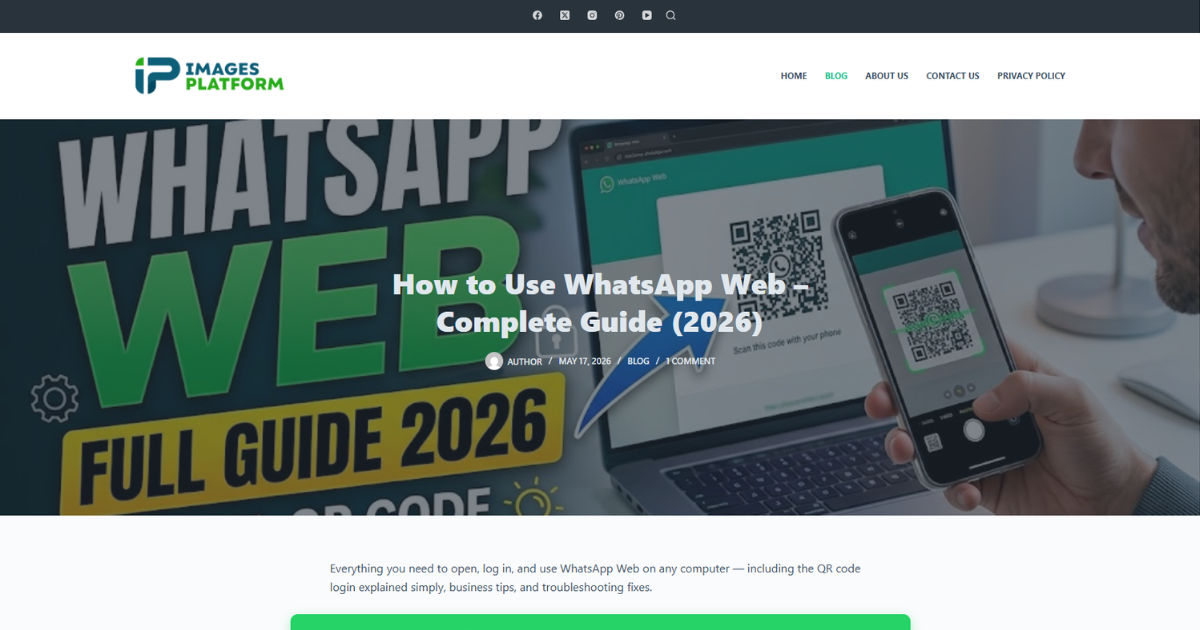 This problem can be confusing, especially for students and beginners who depend on WhatsApp Web for communication, studies, and work.
The whatsapp web login process is designed to connect your mobile WhatsApp account with a browser session securely. However, modern browsers include strict security rules that sometimes interfere with this connection. As a result, users may see messages like “browser blocked access,” “unsupported browser,” or “session expired.” Understanding the reasons behind this is important to fix the issue quickly.
In this detailed guide, we will explore why the whatsapp web login process gets blocked by browsers, what technical and security reasons cause it, and how you can solve these issues step by step. We will also explain how extensions, privacy settings, network restrictions, and device synchronization affect the whatsapp web login experience. By the end, you will have a complete understanding of how to avoid these problems in the future.
Understanding How whatsapp web login Works
To understand why problems occur, we first need to understand how whatsapp web login works behind the scenes. When you scan the QR code on WhatsApp Web, your phone acts as the main device and the browser becomes a linked device.
During whatsapp web login, a secure encrypted session is created between your phone and the browser. This session depends on cookies, local storage, and real-time encryption protocols. If any of these components are blocked, the login process may fail.
The whatsapp web login system also requires constant synchronization. Your phone must stay connected to the internet, and the browser must allow scripts, cookies, and WebSocket connections. If a browser blocks any of these elements, the session cannot be established.
Because of these dependencies, even small browser settings can interrupt the whatsapp web login process.
Security Policies That Block whatsapp web login
One of the biggest reasons browsers block whatsapp web login is strict security policies. Modern browsers like Chrome, Edge, and Firefox are designed to protect users from unsafe websites.
When a browser detects unusual script behavior during whatsapp web login, it may block it automatically. This can happen due to:
-
Suspicious cookies
-
Cross-site tracking prevention
-
Blocked JavaScript execution
-
Unauthorized redirect attempts
The whatsapp web login system uses real-time communication scripts, which sometimes look similar to tracking scripts. Because of this, browsers may mistakenly flag it as unsafe.
In some cases, privacy-focused settings block third-party cookies required for whatsapp web login, leading to login failure or QR scan errors.
Security extensions can also interfere with whatsapp web login, especially those designed to block trackers or scripts.
Browser Cookies and Cache Issues in whatsapp web login
Cookies and cache play a major role in whatsapp web login. They store session information that keeps you logged in without needing to scan the QR code repeatedly.
When cookies are disabled or corrupted, whatsapp web login fails. Similarly, outdated cache data can prevent the browser from loading the latest version of WhatsApp Web.
Common issues include:
-
Expired cookies blocking whatsapp web login
-
Corrupted cache files
-
Disabled site data storage
-
Private browsing mode restrictions
If the browser cannot store session data, the whatsapp web login process cannot continue properly.
Clearing cache or enabling cookies often fixes these issues immediately and restores smooth whatsapp web login functionality.
Extensions and Ad Blockers Interfering with whatsapp web login
Browser extensions are another major reason why whatsapp web login gets blocked. Many users install ad blockers, script blockers, or privacy tools without realizing they can interfere with WhatsApp Web.
Extensions can:
-
Block QR code scripts used in whatsapp web login
-
Prevent WebSocket connections
-
Disable tracking scripts required for authentication
-
Modify page loading behavior
Even helpful extensions like antivirus browser tools may mistakenly block whatsapp web login thinking it is unsafe activity.
When too many extensions are active, the browser becomes overloaded, causing whatsapp web login to fail or freeze on the loading screen.
Disabling extensions temporarily often resolves the issue and allows smooth whatsapp web login.
Antivirus and Firewall Restrictions Affecting whatsapp web login
Sometimes the problem is not the browser itself but the antivirus or firewall installed on your device. These security tools may block whatsapp web login if they detect unusual network activity.
Firewalls can restrict:
-
WebSocket connections needed for whatsapp web login
-
QR code authentication requests
-
Continuous syncing between phone and browser
Antivirus software may also scan browser activity in real-time, slowing down or blocking whatsapp web login completely.
In strict security environments like schools or offices, network administrators may also restrict access to WhatsApp Web, directly affecting whatsapp web login.
Network and Internet Issues in whatsapp web login
A stable internet connection is essential for whatsapp web login. If your network is unstable, the login process may fail or keep disconnecting.
Common network-related problems include:
-
Weak Wi-Fi signal affecting whatsapp web login
-
DNS issues blocking WhatsApp servers
-
ISP restrictions in certain regions
-
High latency causing session timeout
Since whatsapp web login requires continuous syncing between phone and browser, even short internet interruptions can break the session.
Switching networks or restarting the router often helps restore proper whatsapp web login functionality.
Browser Compatibility Problems with whatsapp web login
Not all browsers handle whatsapp web login equally. Some older or less popular browsers do not fully support the technologies required for WhatsApp Web.
Problems may occur due to:
-
Outdated browser versions affecting whatsapp web login
-
Lack of WebSocket support
-
Disabled JavaScript execution
-
Unsupported encryption protocols
Even within supported browsers, outdated versions can cause errors during whatsapp web login.
For best performance, browsers like Chrome, Edge, and Firefox are recommended for stable whatsapp web login sessions.
Device Synchronization Issues in whatsapp web login
The whatsapp web login system depends heavily on real-time synchronization between your phone and browser. If your phone is offline or WhatsApp is restricted in the background, the connection breaks.
Issues include:
-
Phone battery saver blocking background sync for whatsapp web login
-
WhatsApp app not updated
-
Mobile internet disconnecting
-
Delayed message synchronization
If the phone loses connection, the browser session also ends, interrupting whatsapp web login.
Keeping the phone active and connected ensures smooth and uninterrupted whatsapp web login sessions.
Fixing Browser Blocking Issues in whatsapp web login
If your browser is blocking whatsapp web login, there are several practical solutions you can try.
1. Enable Cookies and JavaScript
Make sure cookies and JavaScript are enabled. These are essential for whatsapp web login to function correctly.
2. Clear Cache and Cookies
Old or corrupted data can break whatsapp web login. Clearing browser data often resolves this.
3. Disable Extensions Temporarily
Turn off ad blockers or security extensions that may interfere with whatsapp web login.
4. Update Your Browser
Using the latest version ensures compatibility with whatsapp web login.
5. Check Internet Connection
Stable internet is crucial for whatsapp web login. Switch networks if needed.
6. Disable VPN or Proxy
Some VPNs block WhatsApp servers, affecting whatsapp web login.
7. Allow Firewall Access
Ensure WhatsApp Web is not blocked by firewall rules during whatsapp web login.
Preventing Future Issues in whatsapp web login
To avoid repeated problems, you should follow good browsing habits for whatsapp web login.
-
Keep browser updated regularly
-
Avoid installing unnecessary extensions
-
Maintain stable internet connection
-
Keep phone WhatsApp updated
-
Avoid using strict privacy modes during whatsapp web login
These steps ensure smooth performance and reduce the chances of browser blocking in whatsapp web login.
Conclusion
The issue of browsers blocking whatsapp web login is usually caused by a combination of security settings, cookies, extensions, antivirus tools, and network restrictions. While it may seem technical at first, most problems are easy to fix once you understand the cause.
The whatsapp web login system depends on smooth communication between your phone and browser. Any interruption—whether from privacy settings, outdated software, or unstable internet—can cause login failure.
By following the solutions discussed in this guide, you can easily fix and prevent issues related to whatsapp web login. Keeping your browser updated, managing extensions wisely, and ensuring stable connectivity will guarantee a smooth experience every time you use whatsapp web login.
In the modern digital world, whatsapp web login has become an essential tool for communication, and understanding how it works helps you avoid unnecessary frustration and downtime.