
Glass has become one of the most popular materials in modern homes, offices, shopping malls, hotels, and commercial buildings. Whether it is used for shower enclosures, office partitions, stair railings, balconies, or glass doors, the quality of the hardware plays a major role in ensuring safety, durability, and smooth performance. 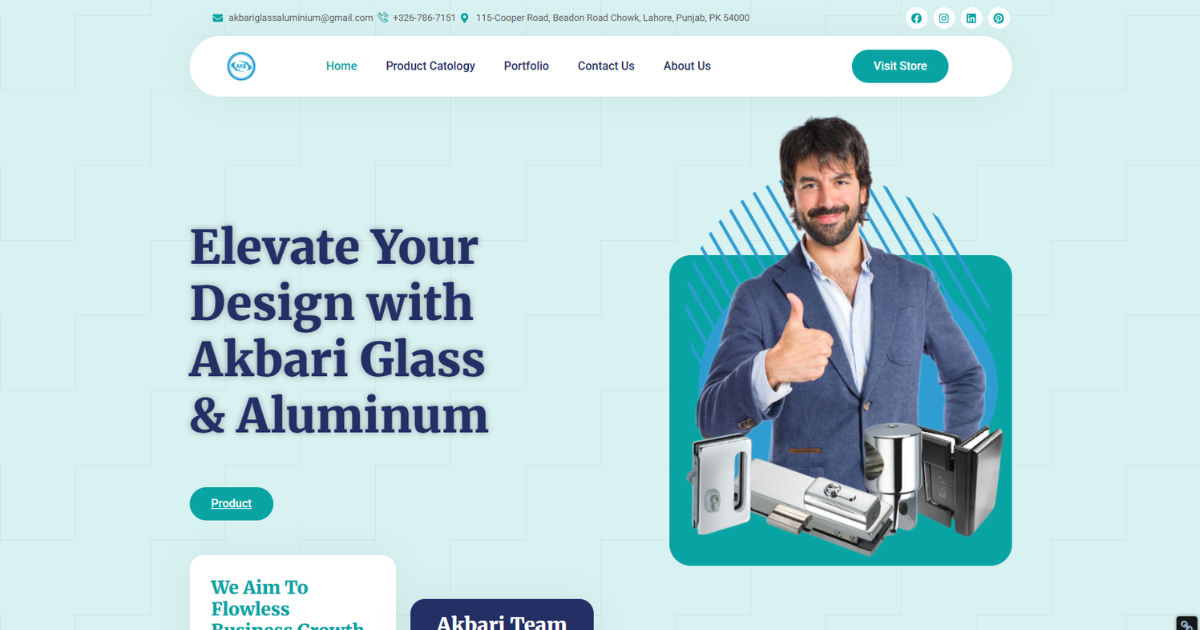
The answer depends on several factors, including material quality, installation, maintenance, environmental conditions, and daily usage. Glass Hardware Pakistan has gained popularity because manufacturers and suppliers now offer a wide variety of durable products suitable for residential and commercial projects. Choosing the right Glass Hardware Pakistan products can significantly improve the lifespan of glass installations while reducing maintenance costs over time.
Glass Hardware
Glass hardware refers to the accessories and fittings that hold, support, protect, and operate glass panels. These components are essential for both safety and functionality. Without quality hardware, even the strongest tempered glass cannot perform efficiently.
Common glass hardware includes:
-
Door hinges
-
Patch fittings
-
Floor springs
-
Glass clamps
-
Spider fittings
-
Door handles
-
Glass connectors
-
Sliding door systems
-
Locking systems
-
Shower fittings
Each component has a unique purpose, and together they create a secure and attractive glass installation.
Average Lifespan of Glass Hardware
The lifespan of glass hardware varies depending on the quality of materials and how frequently the hardware is used.
Generally, high-quality hardware can last anywhere from 10 to 25 years. Premium stainless steel fittings often perform well beyond two decades when properly maintained. Lower-quality products may begin showing signs of corrosion, loose connections, or mechanical problems within five to seven years.
Regular cleaning and professional maintenance can greatly extend the life of glass hardware.
Factors That Affect the Lifespan
Several important factors determine how long glass hardware remains in excellent condition.
Material Quality
The material used to manufacture glass hardware is one of the biggest factors affecting durability.
Stainless steel is widely recognized as the most durable option. Grades such as 304 and 316 stainless steel offer excellent resistance to rust, moisture, and corrosion.
Aluminum hardware is lightweight and affordable but generally has a shorter lifespan compared to stainless steel.
Brass hardware is another premium option that provides both durability and an attractive appearance.
Products made from low-grade metals may initially appear similar but often wear out much faster.
Installation Quality
Even premium hardware can fail if installed incorrectly.
Professional installation ensures proper alignment, secure fastening, and balanced weight distribution. Poor installation places unnecessary stress on hinges, clamps, and floor springs, leading to premature wear.
Experienced installers also make sure every fitting operates smoothly without placing pressure on the glass.
Frequency of Use
Usage has a major impact on hardware longevity.
Glass doors in shopping malls, hospitals, offices, and commercial buildings may open hundreds of times each day. As a result, moving components experience greater wear.
Residential installations generally receive much lighter use, allowing the hardware to last much longer.
Environmental Conditions
Climate also influences durability.
Areas with high humidity expose hardware to more moisture, increasing the risk of corrosion if low-quality materials are used.
Coastal environments are even more demanding because salt in the air accelerates metal deterioration.
Indoor installations usually remain in better condition because they are protected from rain, sunlight, and extreme weather.
Maintenance Practices
Regular maintenance significantly increases the lifespan of glass hardware.
Cleaning hardware removes dirt, dust, fingerprints, and moisture that can gradually damage protective finishes.
Lubricating moving parts helps reduce friction and prevents unnecessary wear.
Routine inspections also allow small problems to be fixed before they become major repairs.
Why Stainless Steel Is the Preferred Choice
Among all available materials, stainless steel remains the most popular choice for modern glass installations.
It offers:
-
Excellent corrosion resistance
-
High structural strength
-
Attractive appearance
-
Low maintenance
-
Long service life
-
Strong load-bearing capacity
These qualities make stainless steel suitable for homes, offices, hotels, restaurants, hospitals, and commercial buildings.
Signs That Glass Hardware Is Wearing Out
Although quality hardware lasts many years, every product eventually shows signs of aging.
Common warning signs include:
-
Loose handles
-
Rust spots
-
Squeaking hinges
-
Difficulty opening or closing doors
-
Misaligned glass panels
-
Worn floor springs
-
Corroded clamps
-
Visible scratches
-
Loose screws
Recognizing these issues early helps prevent more expensive repairs.
How Daily Maintenance Extends Lifespan
Simple maintenance routines make a noticeable difference.
Clean hardware using a soft microfiber cloth and a mild cleaning solution.
Avoid harsh chemicals because they can damage protective coatings.
Dry all hardware after cleaning to prevent moisture buildup.
Inspect screws regularly and tighten them if necessary.
Lubricate moving parts according to the manufacturer's recommendations.
These small habits can add several years to the life of the hardware.
Importance of Choosing Quality Products
Many buyers focus only on price when purchasing hardware.
However, cheaper products often result in higher maintenance costs, frequent replacements, and reduced safety.
Investing in premium hardware offers better value over time because it lasts longer and performs more reliably.
Reliable manufacturers also conduct quality testing to ensure their products meet industry standards.
Common Applications of Glass Hardware
Glass hardware is used in many different environments.
Residential applications include shower cabins, balconies, stair railings, kitchen partitions, wardrobes, and interior doors.
Commercial buildings use glass hardware for office partitions, entrance doors, conference rooms, reception areas, storefronts, and elevators.
Hotels rely on durable fittings for guest rooms, bathrooms, restaurants, and lobby entrances.
Hospitals use glass systems because they are hygienic, modern, and easy to maintain.
Educational institutions also incorporate glass partitions to create bright and open learning spaces.
Does Weather Affect Glass Hardware?
Weather can have a significant impact on the condition of glass hardware over time.
Heavy rainfall, humidity, dust, heat, and pollution all contribute to gradual wear.
In regions with high temperatures, repeated expansion and contraction may place additional stress on mechanical components.
Rainwater can introduce moisture into joints and fittings if installations are not properly sealed.
Dust accumulation may also affect sliding systems and moving mechanisms if they are not cleaned regularly.
Selecting weather-resistant materials helps minimize these risks.
Residential vs Commercial Lifespan
The expected lifespan often differs between residential and commercial properties.
Residential installations usually experience less daily traffic. As a result, hinges, handles, and floor springs may remain in excellent condition for many years.
Commercial properties, however, experience constant use throughout the day.
Shopping centers, office buildings, airports, and hotels require hardware capable of handling thousands of operating cycles every year.
Although commercial hardware wears faster, regular servicing helps maximize its useful life.
Importance of Professional Inspections
Many property owners overlook routine inspections until problems become obvious.
Professional inspections identify worn components before they fail.
Experts examine:
-
Door alignment
-
Floor spring performance
-
Handle stability
-
Glass clamps
-
Lock mechanisms
-
Fasteners
-
Protective coatings
Preventive maintenance reduces repair costs and improves overall safety.
How Proper Cleaning Protects Hardware
Cleaning is about more than appearance.
Dust particles can act like tiny abrasives that gradually wear away protective finishes.
Fingerprints contain oils that may attract additional dirt.
Moisture left on hardware can eventually encourage corrosion in lower-quality materials.
Using soft cloths instead of rough cleaning pads helps preserve polished finishes.
Cleaning every few weeks keeps hardware looking new while extending its lifespan.
Choosing the Right Hardware for Your Project
Every project has different requirements.
Heavy glass entrance doors require stronger hinges and floor springs than lightweight interior partitions.
Outdoor installations demand higher corrosion resistance than indoor applications.
Shower enclosures require moisture-resistant fittings designed for humid environments.
Matching the hardware to the intended application ensures better performance and a longer service life.
Conclusion
Quality hardware should be viewed as a long-term investment rather than a short-term expense.
Premium products may have a higher purchase price, but they often reduce repair costs, minimize downtime, and improve user safety.Durable hardware also enhances the appearance of glass installations by maintaining smooth operation and a polished finish for many years.
For homeowners and businesses alike, choosing reliable fittings delivers better value throughout the life of the installation.