
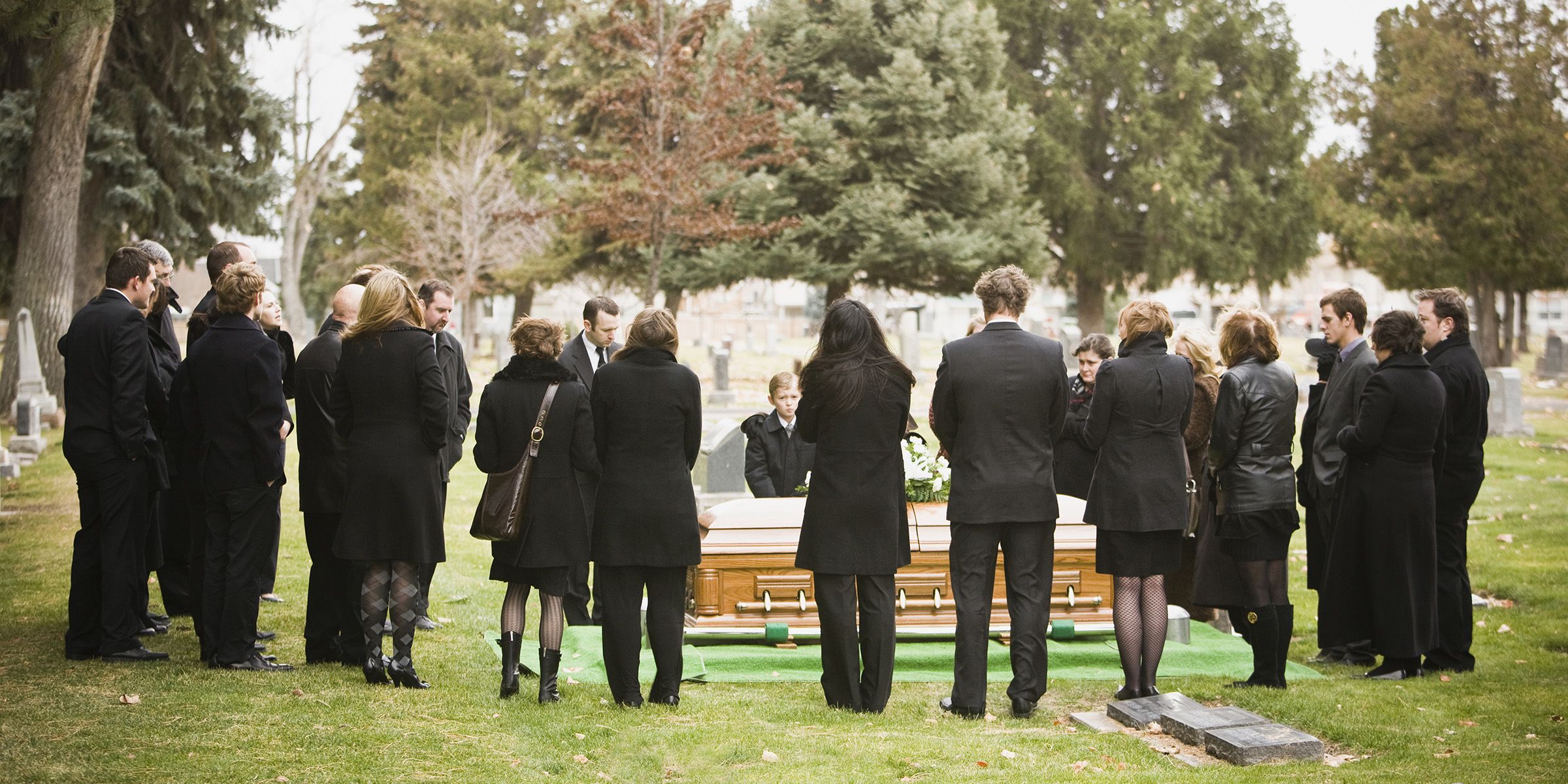
Funerals are an inevitable part of the human experience. They are both a reflection of loss and a celebration of life, serving as one of the most powerful rituals in the cycle of life and death. Regardless of cultural, religious, or personal differences, funerals provide a space for people to come together, process grief, and honor those who have passed. While the experience of grief can feel isolating and unique to each individual, funerals offer a sense of shared understanding and community support. In this article, we explore the emotional, cultural, and social significance of funerals, examining their vital role in helping individuals and families navigate one of life’s most challenging experiences.
The Emotional Role of Funerals
The emotional weight of loss can be overwhelming. The passing of a loved one often leaves a deep void that is difficult to fill, and grief can manifest in many different ways. Funerals play a key role in this emotional journey, providing a structured space for mourning and reflection.
-
A Safe Space for Grief: Grief is a powerful and deeply personal emotion, and many people find it difficult to express their sorrow. Funerals offer a safe, designated space for mourners to openly express their emotions. Whether through tears, prayers, or silence, funerals allow individuals to release their grief in a supportive environment. This process of expressing emotions is an essential part of healing, as it helps the grieving person begin to process and accept the loss.
-
Collective Mourning: While grief can feel isolating, funerals provide an opportunity to mourn as a community. Family, friends, and acquaintances come together to support each other in their shared loss. This collective mourning process creates a sense of solidarity, reminding those who are grieving that they are not alone in their pain. The comfort of shared grief can be a powerful part of the healing journey, as it allows mourners to find strength in numbers and support from those who understand their pain.
-
Moment of Reflection: A funeral is often a time for reflection—both on the life of the deceased and on one’s own life. The process of remembering the deceased can spark an outpouring of emotions and help individuals gain a greater understanding of their feelings about the loss. Funerals allow mourners to look back on the good times shared with the departed, express their sorrow, and begin to move forward with the healing process.
佛教喪禮 s as a Celebration of Life
While funerals are deeply tied to grief and loss, they also serve as an opportunity to celebrate the life that was lived. These events are a time for mourners to reflect on the positive contributions the deceased made during their life, honor their legacy, and find comfort in the memories they left behind.
-
Honoring the Deceased’s Legacy: One of the primary functions of a funeral is to honor the deceased's life and achievements. Through eulogies, speeches, and tributes, loved ones have the chance to acknowledge the contributions the deceased made to their family, friends, and community. Funerals provide a space to recognize the positive impact a person had and celebrate their unique qualities, turning the focus away from the sadness of death and toward the joy they brought to the lives of others.
-
Personalized Tributes: In modern times, many funerals are highly personalized, allowing the deceased's personality and passions to be reflected in the service. Whether it is incorporating a favorite song, hobby, or particular reading that was meaningful to the person, a personalized tribute adds a unique touch that honors their individuality. These personal elements help to keep the deceased’s memory alive in the hearts of those they left behind, making the funeral not just an end, but also a celebration of the person’s life and legacy.
-
Celebration of Life Ceremonies: Some funerals focus on a "celebration of life," emphasizing joy, laughter, and the happiness the deceased experienced throughout their lifetime. These events may feature upbeat music, light-hearted speeches, and even moments of humor. While there is still space for grief, these ceremonies highlight the positive aspects of the deceased's character and the love they shared with others. This type of funeral offers a more uplifting approach to mourning and allows for a balance between sorrow and celebration.
The Rituals and Traditions of Funerals
Funerals are deeply rooted in cultural and religious traditions, and the way a funeral is conducted can vary greatly depending on the beliefs and practices of the deceased and their family. These rituals provide meaning and structure to the process of mourning, helping individuals and communities navigate the complex emotions that accompany death.
-
Religious Funerals: Many religious traditions incorporate specific rituals and practices that provide comfort and meaning to those who are grieving. In Christianity, for example, funerals often include readings from the Bible, prayers, and hymns that reflect on the hope of eternal life. Islamic funerals, on the other hand, involve a quick burial and prayers for forgiveness, emphasizing the transient nature of life and the journey of the soul. Jewish funerals are marked by simplicity and humility, with mourners reciting prayers like the Kaddish to honor the deceased and seek peace for their soul. These religious practices provide a sense of structure and comfort, offering hope and reassurance to the grieving family.
-
Cultural Funerals: Cultural traditions also play a significant role in how funerals are conducted. In Mexican culture, the Día de los Muertos (Day of the Dead) celebrates the lives of deceased loved ones through vibrant altars, music, food, and the sharing of memories. In many African cultures, funerals are a communal event involving music, dancing, and storytelling. These cultural practices reflect the unique ways in which different communities honor their dead and offer support to the living during times of mourning. Funerals, in this sense, are not just personal but also community-oriented, helping to maintain cultural connections and traditions.
-
Universal Themes in Funerals: Despite the vast diversity in funeral customs, there are universal themes that most cultures share when it comes to honoring the dead. These include rituals for the safe passage of the soul, communal grieving, and a focus on the preservation of memory. Whether through burial, cremation, or other means, funerals are ways for individuals and families to ensure that the life of the deceased is honored and remembered.
The Healing Process and Moving Forward
While funerals provide an essential moment for mourning and reflection, the process of healing often continues long after the service has ended. Grieving is not linear, and people may experience a range of emotions over time, but funerals offer a starting point for this journey.
-
Beginning the Healing Process: The closure provided by a funeral allows mourners to take the first step toward healing. Saying goodbye, paying respects, and honoring the deceased’s life offer a form of emotional release that can help ease the burden of grief. While the pain of loss may not disappear immediately, the ritual of a funeral gives mourners a framework for processing their emotions and taking the first step toward emotional recovery.
-
Ongoing Support: The support of family, friends, and community can continue long after the funeral itself. Mourners often find comfort in knowing that others are thinking of them and offering encouragement. Support groups, counseling, or simple acts of kindness from loved ones can provide a valuable lifeline as individuals continue their journey through grief. Funerals may mark the beginning of healing, but it is the ongoing support of others that truly helps people move forward.
-
A Long-Term Legacy: Funerals also allow mourners to begin preserving the memory of the deceased. Whether through keepsakes, photographs, or stories, funerals mark the beginning of a long-lasting legacy. The lessons and values imparted by the deceased can live on through those they left behind, ensuring that their impact is felt long after the funeral service is over.
Conclusion: The Vital Role of Funerals in the Human Experience
Funerals play an integral role in the process of mourning, healing, and celebrating life. They provide a space to express grief, honor the deceased, and begin the journey of recovery. Through religious, cultural, and personal rituals, funerals offer comfort, closure, and a sense of connection to both the past and the future. They remind us of the universality of death, while also reflecting the unique ways in which different cultures and individuals approach the end of life. In a world where death is often an uncomfortable topic, funerals offer a space to remember, reflect, and heal. Ultimately, they serve as a reminder of the enduring power of love, community, and the importance of cherishing the memories of those we have lost.