
Understanding gambling-related content such as Macau Toto requires more than just casual curiosity. Many consumers come across terms like koitoto while browsing online platforms, social media discussions, or entertainment forums. The term koitoto often appears in conversations that mix gaming, prediction markets, and online lottery-style services, which can make it confusing for new users trying to separate facts from risk.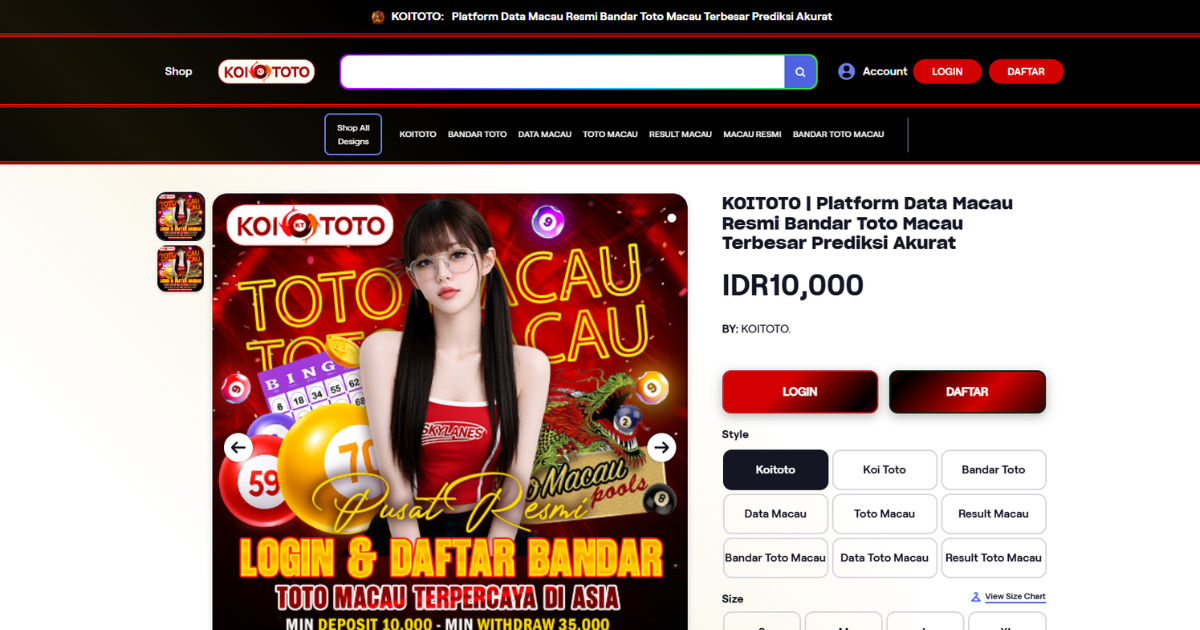
When people search for koitoto, they are usually trying to understand how Macau Toto systems work, what risks might be involved, and whether such platforms are safe or reliable. However, the reality is that koitoto is frequently associated with environments where financial risk, misinformation, and unregulated activity can overlap. This is why learning to evaluate Macau Toto risks is important for every consumer who encounters koitoto in digital spaces.
Another challenge is that koitoto is often presented in a way that looks simple or entertaining, but beneath that surface, there may be hidden complexities. These include probability misunderstandings, misleading promotional claims, and the possibility of unsafe financial behavior. By examining koitoto carefully, consumers can develop a more realistic understanding of what they are engaging with.
This guide explains how to recognize those risks step by step. It breaks down financial concerns, psychological effects, digital safety issues, and legal considerations connected with Macau Toto discussions involving koitoto. The goal is not to promote participation, but to help readers think critically when they encounter koitoto online.
Understanding Macau Toto and Its Online Context
Macau Toto is often described as a lottery-style or number-based prediction system that appears in online discussions and entertainment platforms. In many cases, the keyword koitoto is used as a reference point for websites, communities, or informational hubs that discuss these activities.
Consumers should understand that koitoto does not represent a guaranteed system for outcomes or earnings. Instead, it is usually part of a broader category of chance-based activities where outcomes are uncertain. Many users misunderstand this uncertainty, which leads to unrealistic expectations when they interact with koitoto content.
Another important aspect is the way koitoto is marketed or shared online. Some platforms present it as simple or low-risk, but in reality, the structure behind koitoto often involves probability systems that are not in the consumer’s favor. This imbalance is something many new users fail to recognize.
In addition, koitoto is frequently discussed in communities where information is not always verified. This means users can encounter conflicting explanations, misleading advice, or exaggerated success stories. Understanding Macau Toto requires recognizing that koitoto content is not always based on verified data or transparent systems.
Because of this, consumers should approach koitoto with caution and focus on understanding how such systems operate rather than assuming predictable outcomes.
Key Risk Overview for Consumers
When evaluating Macau Toto-related content, especially involving koitoto, consumers should be aware of multiple risk categories. These risks are not always obvious at first glance, which makes education essential.
One major concern with koitoto is financial exposure. Users may underestimate how quickly small amounts can accumulate into significant losses. Another issue is psychological influence, where repeated exposure to koitoto content can affect decision-making patterns.
There are also digital risks associated with koitoto, such as exposure to unreliable websites or unverified platforms. Some of these sources may not follow proper regulations or consumer protection standards.
In addition, koitoto content can sometimes blur the line between entertainment and financial decision-making. This confusion can lead users to treat probability-based systems as investment opportunities, which is not accurate.
Finally, misinformation is a major risk. Many explanations of koitoto found online are not based on verified data, and this can mislead consumers into making poor choices.
Understanding these risks is the first step toward safer decision-making when encountering koitoto content.
Financial Risks and Money Mismanagement
Financial risk is one of the most significant concerns associated with Macau Toto discussions involving koitoto. Many users underestimate how unpredictable outcomes can lead to repeated losses over time.
With koitoto, the primary issue is that users may believe short-term wins reflect long-term patterns. This misunderstanding often leads to increased spending. Even small repeated actions connected to koitoto can accumulate into larger financial losses than expected.
Another financial risk is chasing losses. Some users, after losing money in koitoto activities, may try to recover it by continuing to participate. This behavior increases financial pressure and often worsens the situation.
There is also the issue of budgeting confusion. Users may not clearly separate entertainment spending from essential expenses when engaging with koitoto. This lack of separation can create financial instability over time.
Additionally, some platforms associated with koitoto may encourage higher spending through promotions or bonuses. While these may seem attractive, they can lead users to spend more than intended.
Understanding financial risk in koitoto means recognizing that probability-based systems do not guarantee returns, and careful budgeting is essential to avoid unnecessary loss.
Psychological Risks and Behavioral Patterns
Psychological effects are often overlooked when discussing koitoto, but they play a major role in how users interact with such systems. The design and presentation of koitoto content can influence decision-making in subtle ways.
One common psychological risk is reinforcement learning. When users occasionally experience positive outcomes, they may feel encouraged to continue engaging with koitoto, even if losses are more frequent.
Another issue is emotional attachment. Some users begin to associate koitoto with excitement or stress relief, which can lead to repeated engagement during emotional moments.
There is also the risk of overconfidence. After a few successful outcomes, users may believe they have developed a “strategy” for koitoto, even though outcomes remain random or unpredictable.
In some cases, koitoto can also lead to compulsive behavior patterns. This occurs when users feel an urge to continue despite negative consequences.
Recognizing these psychological patterns is important for maintaining control and avoiding unhealthy behavior related to koitoto.
Scam and Fraud Risks in Online Platforms
One of the most serious concerns linked to koitoto is the presence of scams or fraudulent platforms. Not all websites or communities using koitoto are legitimate or safe.
Some fraudulent platforms may use the name koitoto to attract users while offering no real transparency about how outcomes are determined. Others may manipulate results or delay payouts.
Users may also encounter fake promotional offers tied to koitoto, which encourage deposits or participation under false promises. These schemes can lead to financial loss and data exposure.
Another risk involves identity theft. Some unverified koitoto platforms may request personal or financial information without proper security protections.
It is also common for scam sites to disappear suddenly after collecting funds, leaving users without support or recourse.
For this reason, consumers should be extremely cautious when interacting with any koitoto platform and verify credibility before sharing information or money.
Legal and Regulatory Considerations
Legal awareness is essential when discussing Macau Toto and related content involving koitoto. Different regions have different laws regarding lottery-style or gambling-related activities.
In some areas, platforms associated with koitoto may operate without clear regulation, which means users may not have legal protection in case of disputes.
Consumers should understand that engaging with koitoto platforms may carry legal uncertainty depending on local laws. This includes questions about licensing, taxation, and consumer rights.
Another issue is cross-border platforms. Some koitoto services operate from outside a user’s country, making it difficult to enforce legal protections.
Because of these uncertainties, users should be cautious and informed before engaging with any koitoto related service.
Digital Misinformation and Confusing Content
The internet contains a large amount of unclear or misleading information about Macau Toto and koitoto. This makes it difficult for consumers to distinguish accurate guidance from promotional or speculative content.
Some koitoto content may exaggerate success rates or present anecdotal stories as guaranteed outcomes. Others may oversimplify complex probability systems.
Social media also plays a role in spreading misinformation. Posts about koitoto may be shared widely without verification, leading to misunderstandings.
Another issue is algorithm-driven content. Users searching for koitoto may repeatedly see similar types of content, reinforcing a narrow or biased perspective.
Consumers should be aware that not all koitoto information is reliable and should cross-check sources before forming conclusions.
How Consumers Can Evaluate Information Sources
To better understand Macau Toto risks, users should learn how to evaluate sources related to koitoto. This includes checking credibility, transparency, and consistency of information.
Reliable sources typically explain risks clearly and avoid exaggerated claims about koitoto outcomes. They also provide balanced perspectives rather than promoting participation.
Consumers should also look for signs of bias. If a source heavily promotes koitoto without discussing risks, it may not be trustworthy.
Another important factor is verification. Information about koitoto should ideally come from established publications or educational resources rather than anonymous online posts.
By critically analyzing sources, users can reduce exposure to misleading koitoto content.
Red Flags Consumers Should Watch For
There are several warning signs that may indicate unsafe or misleading koitoto platforms or content.
One red flag is guaranteed outcome claims. No system involving koitoto can guarantee results due to its probability-based nature.
Another warning sign is pressure tactics. If a platform encourages urgent participation in koitoto, it may be attempting to manipulate users.
Lack of transparency is also a concern. Platforms that do not clearly explain how koitoto works or how results are generated should be approached carefully.
Requests for sensitive personal or financial data without explanation are another major red flag.
Recognizing these warning signs helps consumers avoid unnecessary risks when dealing with koitoto.
Safe Consumer Habits and Responsible Awareness
Developing safe habits is essential when encountering Macau Toto discussions involving koitoto. One of the most important habits is setting clear boundaries on engagement.
Consumers should also avoid making impulsive decisions based on koitoto content. Taking time to evaluate information reduces risk.
Another good habit is separating entertainment from financial decisions. koitoto should never be treated as a reliable financial strategy.
It is also important to regularly reflect on behavior patterns. If koitoto begins to influence emotions or spending habits, it may be time to step back.
Building awareness helps consumers maintain control and avoid unnecessary exposure to risk.
Budgeting and Financial Discipline
Financial discipline plays a key role in reducing risks associated with koitoto. Users should clearly define their spending limits before engaging with any related activity.
A structured budget helps prevent overspending and ensures that essential expenses are not affected by koitoto involvement.
It is also helpful to track spending over time. Many users underestimate how much they allocate to koitoto without realizing it.
Another strategy is setting strict limits and sticking to them regardless of outcomes. This prevents emotional decision-making.
Budgeting is one of the most effective ways to reduce financial harm related to koitoto.
Psychological Awareness and Self-Control
Self-awareness is essential when dealing with koitoto content. Users should recognize emotional triggers that influence their decisions.
Stress, excitement, or frustration can all impact how people interact with koitoto systems. Understanding these triggers helps maintain better control.
It is also important to avoid chasing losses or relying on “luck streaks.” These patterns are misleading and can lead to poor decisions.
Developing self-control ensures that koitoto remains a neutral topic rather than an emotional driver.
Role of Online Platforms and Responsibility
Online platforms that discuss koitoto also have a role in shaping user understanding. Responsible platforms provide balanced information and highlight risks clearly.
However, not all platforms maintain this standard. Some may prioritize engagement over accuracy when presenting koitoto content.
Consumers should be aware of this difference and choose reliable sources when seeking information.
Platform responsibility includes transparency, user education, and clear communication about risks related to koitoto.
Practical Checklist for Consumers
Before engaging with any Macau Toto-related content involving koitoto, consumers can use a simple checklist:
Check if the source is trustworthy.
Verify whether claims about koitoto are realistic.
Ensure financial limits are clearly set.
Avoid sharing sensitive information.
Watch for emotional decision-making patterns.
If multiple warning signs appear in koitoto content, it is best to step back and reassess.
Conclusion
Understanding Macau Toto risks requires a careful and informed approach, especially when encountering koitoto in online environments. Consumers must recognize that koitoto is often associated with uncertainty, misinformation, and financial risk.
By learning to identify red flags, evaluate sources, and manage behavior responsibly, users can reduce exposure to harm. The key is not to rely on assumptions about koitoto, but to analyze information critically and maintain self-awareness.
Ultimately, awareness and discipline are the most effective tools for navigating any situation involving koitoto. When consumers understand the risks clearly, they are better equipped to make safer and more rational decisions.